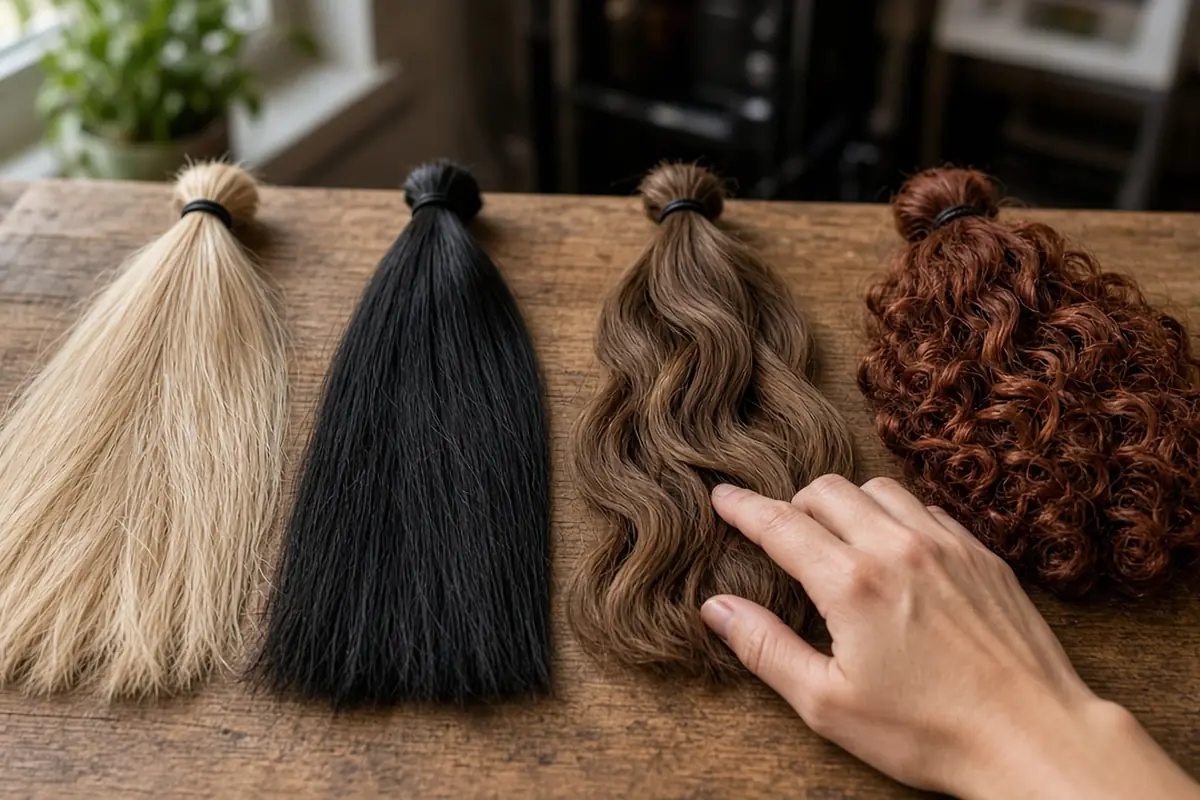
Why hair type changes the perm
Most Korean perm techniques were developed on hair that is typically straight, thick in diameter and resistant to curl. That is why Korean solutions and timing are tuned to push hair into a wave. European and many other hair types are often finer, more porous or already textured, which means the same solution and timing can over-process.
A stylist who has worked on international clients will do a strand test or pick a gentler solution without being asked. If they do not mention your hair type at all in the consultation, that is the moment to bring it up.
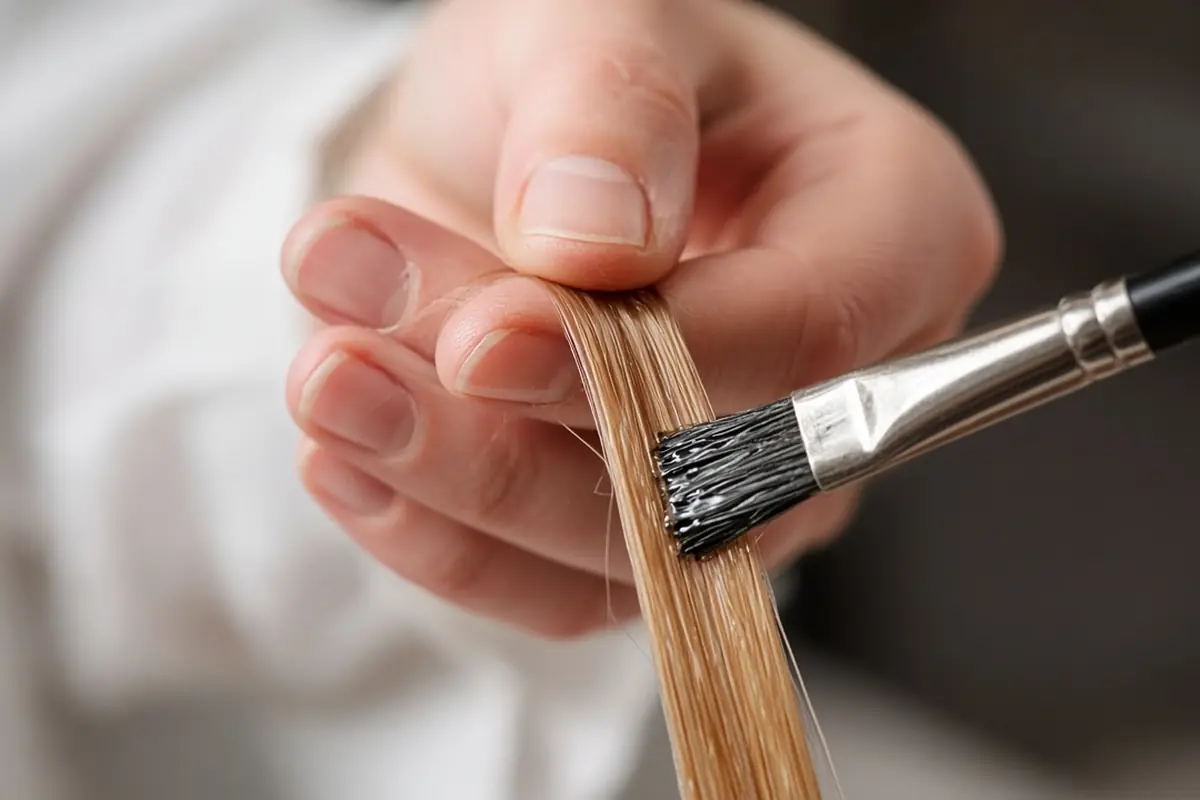
Fine or thin hair
Fine hair takes a perm quickly and loses it quickly. The good news is that a soft Korean wave is one of the few looks that makes fine hair look thicker, because the wave adds volume at the root and movement at the ends. The risks are over-processing and a wave that looks frizzy rather than soft.
Ask for a lower-strength solution, shorter processing and a slightly larger rod than the reference photo suggests. Expect the wave to last closer to three months than six.
Thick, coarse or very straight hair
This is the hair type the technique was built for, so results tend to be the most predictable. The challenge is weight: thick hair pulls a wave down, so the cut matters as much as the perm. Stylists like Jisoo at Chahong Ardor Dosan publish long-wave work where the layering does half of the job.
If you have a lot of hair, allow the longer end of the time range and ask whether the stylist will perm in sections.
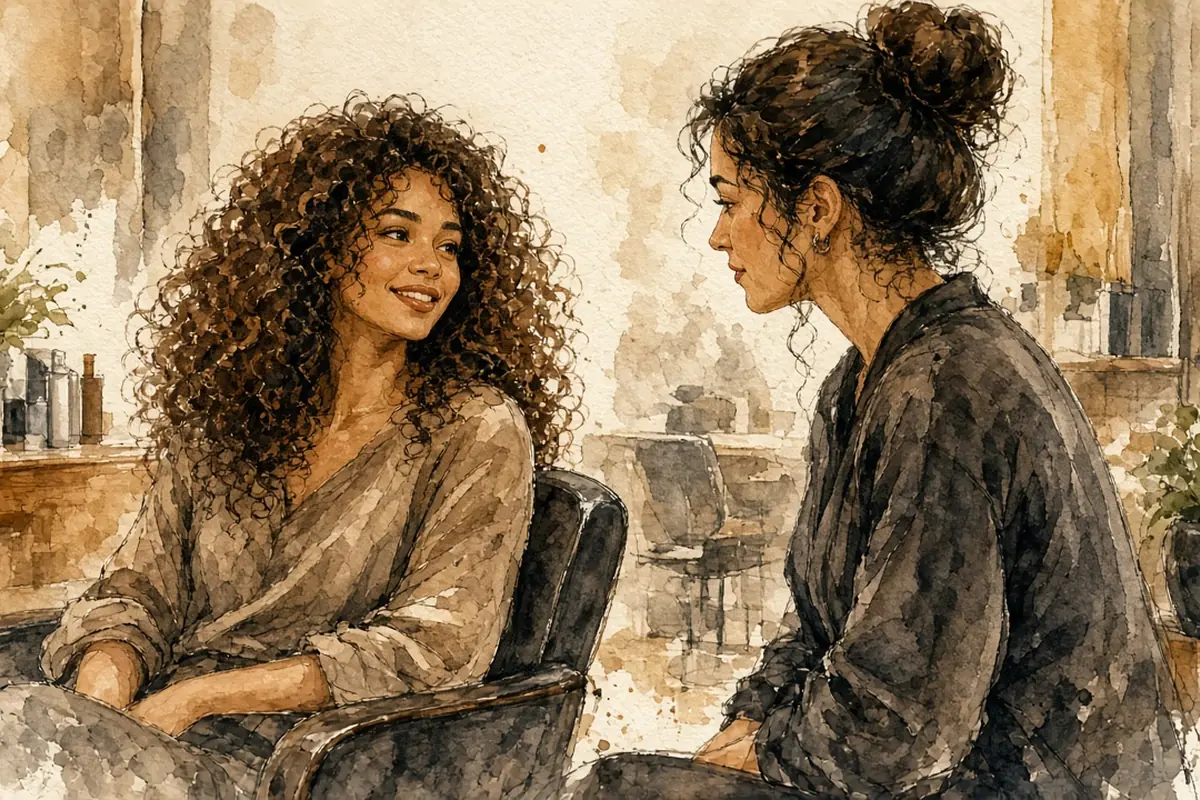
Naturally curly hair
Here the honest conversation matters most. A Korean digital perm on tight natural curls is usually not a perm at all but a reshaping, and some stylists will recommend a straightening or “volume magic” service first, which is a bigger commitment and more damage. Others will decline and that is a good sign, not a bad one.
If your goal is looser, more uniform curls, ask specifically about a “hippie perm” or “volume perm” on already curly hair, and ask how the stylist would avoid frizz at the hairline. Bring a photo of your hair air dried, not just the goal photo.
Wavy hair
Wavy hair is the easiest case for a Korean perm and the most likely to look like the pictures. The perm gives your existing wave a consistent direction and a smoother surface. The main decision is whether you want the wave to start high for volume or lower for a calmer look.
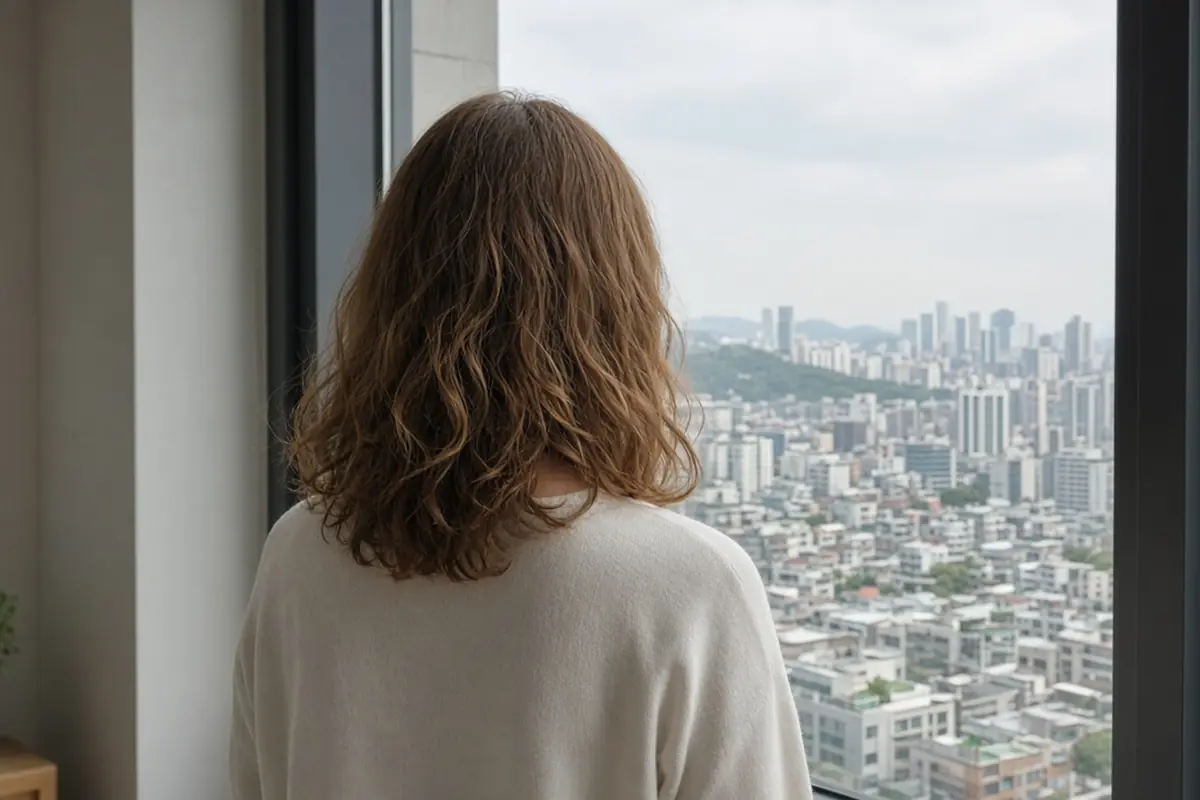
Porosity and color history matter more than ethnicity
Stylists do not actually perm by ethnicity. They perm by diameter, porosity and chemical history, and the word “Western hair” is a rough stand-in for “finer and more porous than the hair I usually see.” Porous hair, which is often hair that has been colored, drinks solution fast and processes quickly. Low-porosity hair, which is often virgin dark hair, resists it. The same solution for the same time gives a limp over-processed wave on the first and barely a bend on the second.
This is why the consultation matters more for visitors than for locals. A Seoul stylist can read Korean hair at a glance after a few thousand heads. Yours they need to touch, stretch and sometimes test. Give them the chance: say what has been done to your hair and let them run a strand test if they offer. The ten minutes it costs is the cheapest insurance in the salon.
Red flags and green flags in the consultation
Green flags: the stylist touches your hair before quoting; asks how you dry it at home; mentions solution strength or “gentle solution”; suggests a slightly larger rod than the photo; wants to see your hair air dried if it is curly; recommends a treatment before, not after, and explains why for your hair specifically.
Red flags: a quote and a time slot given before anyone has seen your hair; “no problem” to every question through a translator; the same perm name offered to you as to the client before; no mention of your color history after you raised it; and the promise that it will look exactly like the photo. No honest stylist promises that about any perm on any hair.
None of this requires Korean. The green flags are things you can see the stylist do, and the red flags are things they do not do.
Setting expectations for each hair type
For fine hair, expect a softer, more voluminous version of the reference, lasting about three months, with a real risk of frizz if you brush it dry. For thick, straight hair, expect the closest match to the photos, lasting four to six months, and plan on the longer end of the appointment. For wavy hair, expect a tidier, more uniform wave than you have now, with less styling needed than before. For curly hair, expect a conversation first, and if the stylist takes it on, a looser, more deliberate curl pattern rather than a different kind of hair.
Across all of them, the result after a Korean blow dry in the salon will look better than the result you get at home on day three. Ask to see the honest version before you leave, and ask the stylist to show you the two-minute routine that gets closest to it.
What to say in the consultation
You do not need Korean for this. Four sentences, in English or through a translation app, carry everything a stylist needs:
- “My hair is fine and gets damaged easily” or “my hair is thick and straight” or “my hair is naturally wavy or curly.”
- “I bleached or colored it in the last year” or “no chemicals in the last two years.”
- “I dry it with a towel and leave it” or “I blow dry it every day.”
- “Show me how it will look air dried, please.”
Stylists in our catalog who list English on a public profile, such as Tei and Yuju, make this easier, and our team can check the consultation language before you commit. Read how we check language claims.
Questions people ask
Does a Korean perm work on Caucasian hair?
Yes. Stylists adjust the solution strength, timing and rod size for finer or more porous hair. Ask for a strand test if your hair has been colored.
Can I get a Korean perm on curly hair?
On naturally curly hair the service is more of a reshaping and some stylists will recommend against it or suggest straightening first. Ask specifically about a looser hippie or volume perm and bring an air-dried photo of your hair.
Will a Korean perm make fine hair look thicker?
Usually yes, because the wave adds volume at the root. It will not last as long on fine hair, often around three months.
Related topics
Sources
- Seoul Beauty Global, Korean Perm in Seoul: What to Ask and Expect
- HairRisk, Korean Perm: Price, Types, Aftercare
- Curl Centric, Digital perm guide
- Healthline, How long does a perm last
- Creatrip, Best Seoul Hair Salons for Foreigners 2026
Prices and practices above come from the 2026 guides and booking listings linked here, checked on 2026-10-11. They are orientation, not a price list; our team gets a quote for your hair from the stylist.
Keep reading
- Getting a Korean Perm in Seoul: Price, Time and What Actually Happens in the Chair
- Planning a Korean perm in Seoul — Compare published perm work and prepare questions about suitability, price and timing.
- Jisoo · CHAHONG ARDOR · Atelier Dosan
- Tei · Juno Hair · Apgujeong Rodeo 1
Choose your next question
- Planning a Seoul salon visit — Choose a stylist, confirm the branch and prepare a useful consultation brief.
- Finding English consultation support — Check individual public language claims and the questions to ask before a visit.
- Planning a Korean perm in Seoul — Compare published perm work and prepare questions about suitability, price and timing.
Written and maintained by the Korean Hairstyle editorial team at Kohwoon & Company. Editorial update: . Source profiles may change; check the linked original before relying on a branch, service or language claim. Sources, corrections and editorial policy.