Tipping: no, and it can be awkward
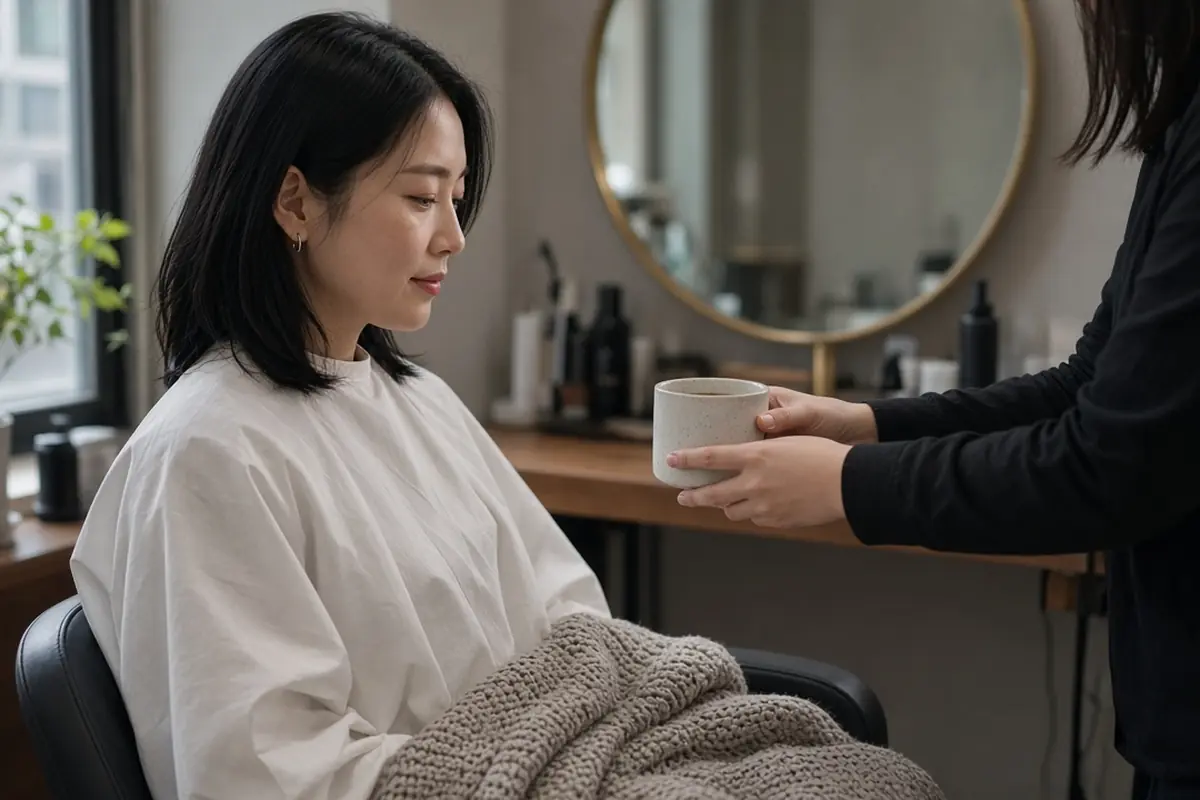
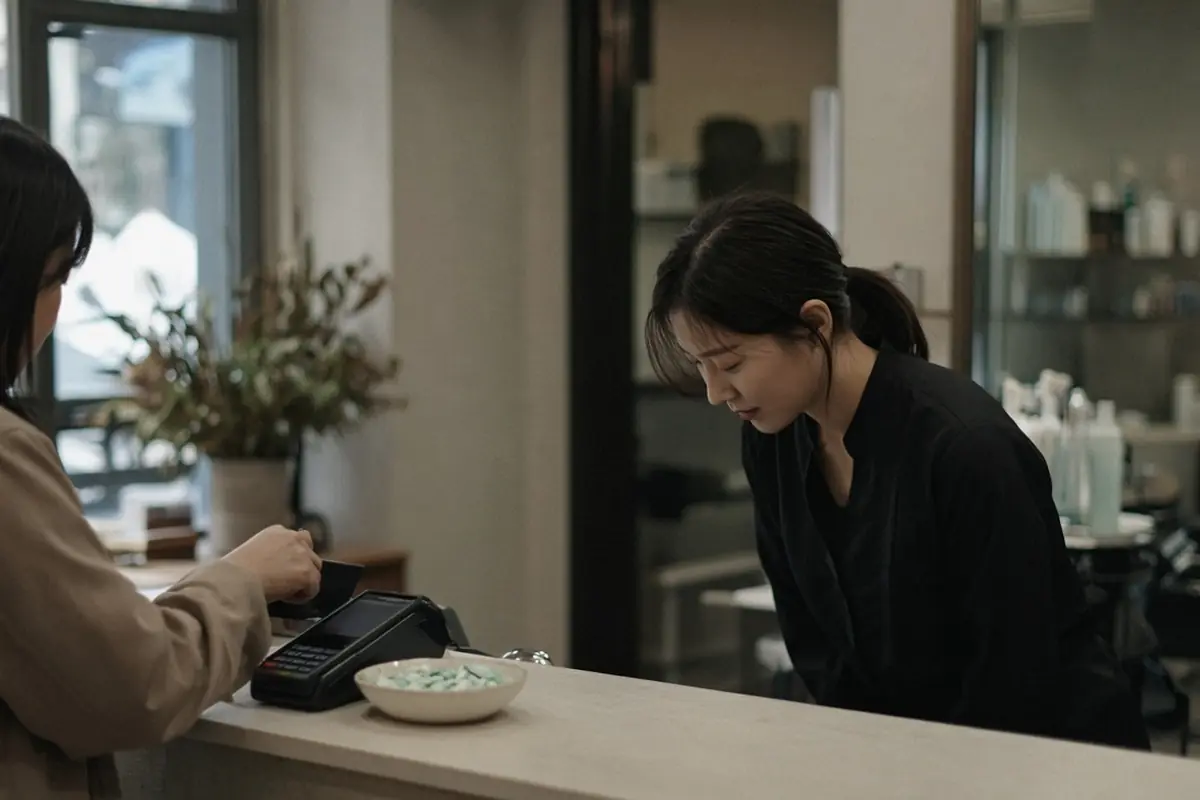
Korea does not have a tipping culture and ordinary salons are no exception. Staff are salaried, the price on the menu is the price, and handing cash to a stylist can create a small awkward moment where they try to give it back. A few upscale Gangnam salons that see many foreign clients will accept a tip without fuss, but it is never expected. If you were genuinely happy, the valued currency is different: a review on the salon’s Naver or Google page with the stylist’s name, a follow on Instagram, a photo of the result you let them post. Those help a Korean stylist far more than a note of money.
Upsells and how to say no
Treatments are where bills grow. A “clinic” or “protein care” added before a perm, a gloss after color, a scalp treatment at the shampoo bowl. Some are genuinely useful for damaged hair and the stylist will explain why. Some are routine add-ons offered to everyone. The honest test: ask “what happens if we skip it?” A real answer is specific to your hair. If the answer is vague, say “not today, thank you” and nothing more. Korean clients decline constantly.
Protect yourself at the start, not the end. Confirm the total in won for exactly what you agreed before the first product touches your hair.
Being late, cancelling, no-shows
Korean salons run tight schedules and a perm or color appointment blocks a stylist for hours. Arriving fifteen minutes late can mean the service is shortened or the perm rescheduled. If a deposit was paid, a no-show usually forfeits it. If you are running late, message the salon even in English; a heads up is respected, silence is not.
The quiet rules
Phones are fine, calls at the chair are not. Bring your own hat or hood if you are embarrassed about damp hair, because most salons will blow dry only the style, not fully dry long hair. Say yes to the tea. Salons give you a gown and often a blanket; use them. It is normal to be asked for a photo of the result for the stylist’s Instagram; it is also normal to decline.
From the door to the chair
Walk in and say the name you booked under, or show the booking message. Someone will take your coat and bag, hand you a gown and, often, a blanket and a basket for your phone. You will be shown to a chair and offered a drink; tea, coffee, sometimes juice. The stylist comes over for the consultation before anything is wet. If you are a walk-in, you may wait at a sofa; ask roughly how long, because a long wait with the stylist you wanted usually beats a short one with whoever is free.
Shampoo stations in Korea are quiet and thorough, with a face cloth over your eyes and a long rinse. It is fine to close your eyes and say nothing. If the water is too hot or the pressure too hard, a quick “ah” and a hand gesture is understood instantly.
Photos, Instagram and your privacy
Stylists build their following with before-and-after photos, and in Seoul it is normal to be asked for one. You can say no, or yes with your face hidden, and nobody will be offended. Equally, you can ask to take your own photo of the result and the stylist will usually pose the hair for you. If you want to tag the stylist, their handle is on the salon card or on their profile in our catalog.
Salons do not ask for identity documents and should not ask for them. Deposits, where used, are returned or applied to the bill. If a salon asks for a copy of your passport, decline and choose another salon.
Bringing a partner, a friend or a child
Small salons have limited waiting space and a partner or friend sitting for three hours during a perm can be awkward for staff, so ask first or plan for them to come back near the end. Children’s cuts are common and inexpensive, roughly ₩20,000 to ₩30,000 at dedicated kids’ salons, and many salons have a stylist who is good with kids; say the age when booking. Strollers are fine in larger salons and hard in small Hongdae studios up a flight of stairs.
Finally, speak quietly. Seoul salons are calmer than most Western ones, with soft music and low voices, and loud phone calls at the chair are noticed.
If something goes wrong
Say so before you leave, calmly, at the chair. Most salons will fix a cut or re-tone color on the spot or within a week at no charge. Complaints after you are home and abroad rarely get resolved. If you booked through our free connection help, tell our team too; we keep a record of what the salon proposed and can help you raise it through the same official channel. How our team works and what we do not do.

Questions people ask
Do you tip at hair salons in Korea?
No. Korea does not have a tipping culture and the menu price is the full price. A named review or a follow on Instagram is the appreciated gesture.
How do I refuse a treatment upsell at a Korean salon?
Ask what happens if you skip it. If the answer is vague, say “not today, thank you.” Confirm the total for the agreed service before it starts.
What happens if I am late to a salon appointment in Seoul?
The service may be shortened or a long service rescheduled, and a deposit may be forfeited for a no-show. Message the salon as soon as you know.
Related topics
Sources
- Korea Times, Why tipping culture remains controversial in Korea (Aug 2025)
- Creatrip, Best Seoul Hair Salons for Foreigners 2026
- 10 Magazine, English-speaking hair salons in Seoul (2026)
Prices and practices above come from the 2026 guides and booking listings linked here, checked on 2026-10-11. They are orientation, not a price list; our team gets a quote for your hair from the stylist.
Keep reading
- How Much Does a Haircut Cost in Seoul in 2026? Myeongdong, Hongdae, Gangnam and the Chains
- Planning a Seoul salon visit — Choose a stylist, confirm the branch and prepare a useful consultation brief.
- About our team and sources
Choose your next question
- Planning a Seoul salon visit — Choose a stylist, confirm the branch and prepare a useful consultation brief.
- Finding English consultation support — Check individual public language claims and the questions to ask before a visit.
- Planning a Korean perm in Seoul — Compare published perm work and prepare questions about suitability, price and timing.
Written and maintained by the Korean Hairstyle editorial team at Kohwoon & Company. Editorial update: . Source profiles may change; check the linked original before relying on a branch, service or language claim. Sources, corrections and editorial policy.