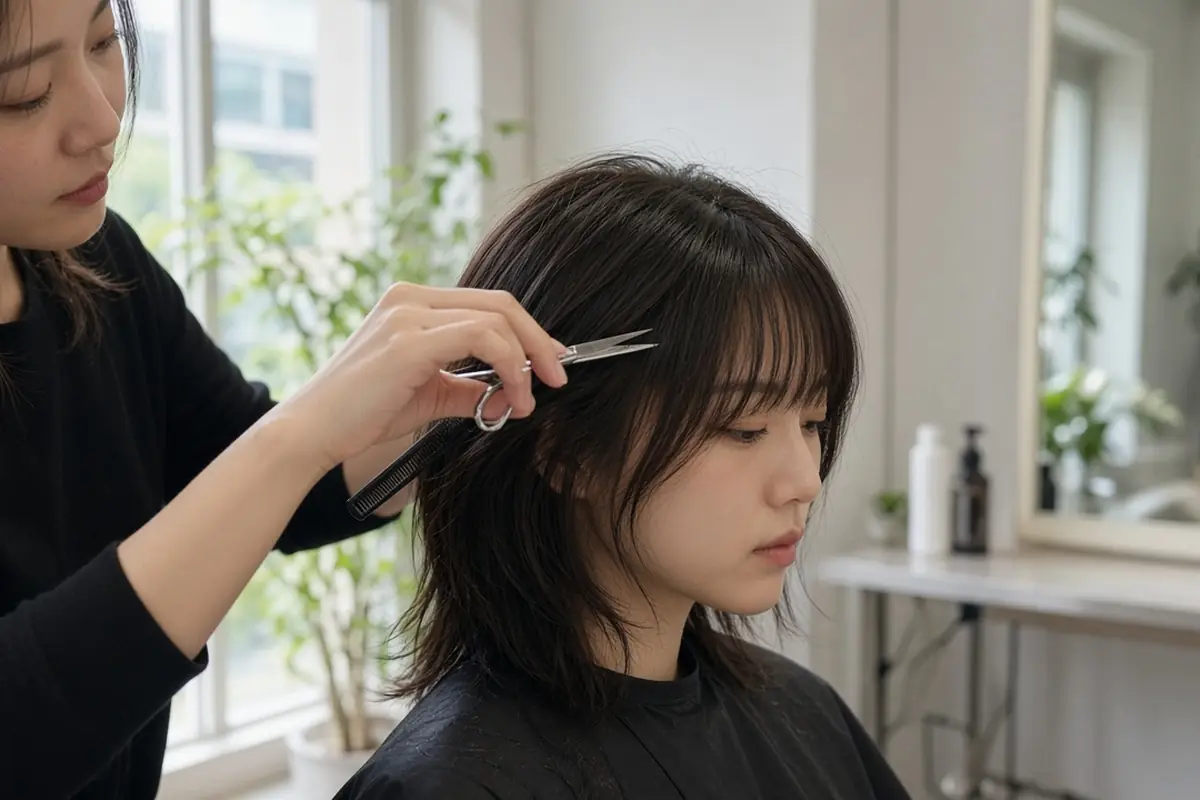
See-through bangs (시스루뱅)
The signature Korean fringe. Thin, airy, cut so you can see the forehead through it. It flatters almost every face shape because it softens without covering, and it grows out gracefully into curtain bangs. The catch is hair type: on thick hair the stylist takes a very narrow section, on fine hair it can look sparse. Styling is a thirty-second blow dry with a small round brush or a quick pass with a flat iron.

Curtain bangs (커튼뱅)
Parted in the middle and swept to each side, framing the face. In Seoul they are cut longer and softer than the Western version, usually blended into face-framing layers so the whole front moves together. Best for oval and heart-shaped faces and for anyone who wants bangs they can tuck behind the ear on a bad day. Jisoo at Chahong Ardor Dosan publishes face-framing layer work that pairs with curtain bangs.
Full bangs and wispy bangs
Full bangs, thick and straight across the brow, are less common in Seoul than the photos suggest, and when Korean stylists cut them they usually add slight rounding at the sides and texture at the ends so they do not sit like a block. Wispy bangs sit between see-through and full: more coverage than see-through, with feathered ends. Both suit round and square faces better than see-through does.
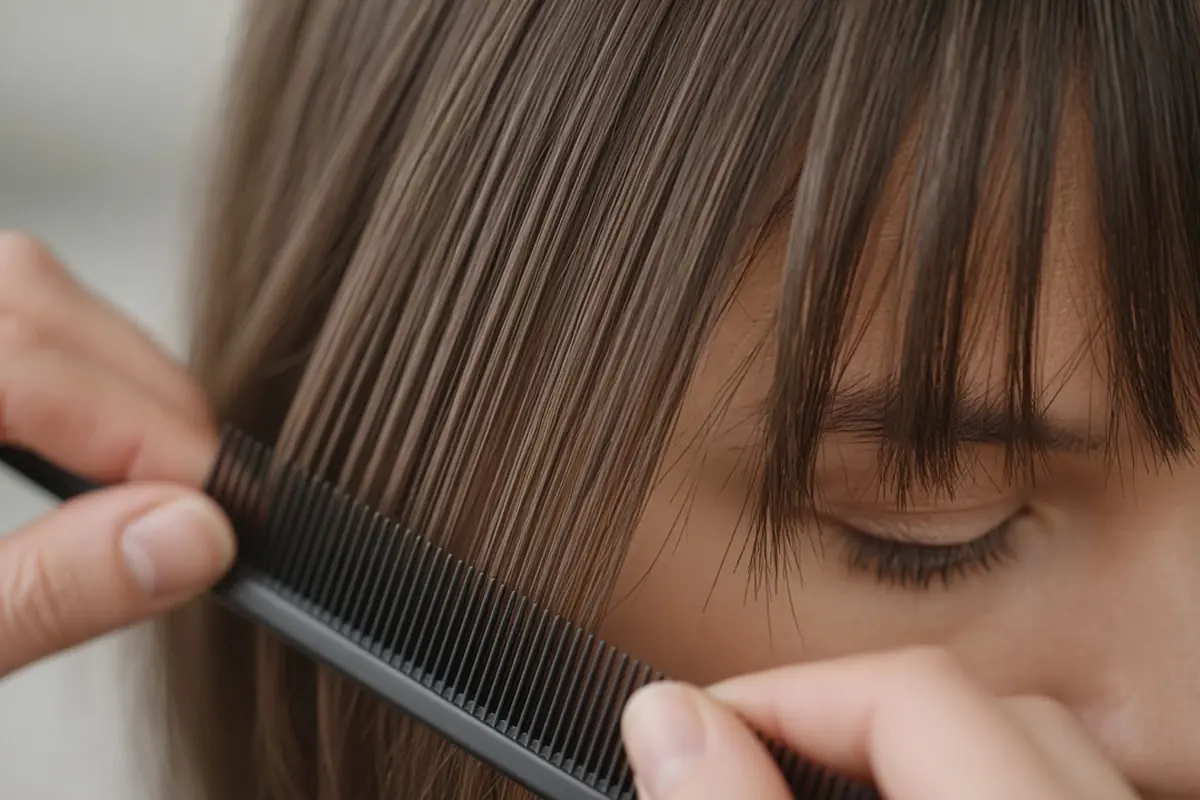
Why Seoul stylists cut bangs differently
Two habits. First, they cut bangs dry, or dry them and recut, because wet bangs spring up when they dry and the horror story of too-short bangs almost always comes from cutting wet. Second, they design the bangs with the layers, not as a separate add-on, so the fringe connects to the rest of the cut. If you only want bangs added to an existing cut, say so; otherwise expect a few face-framing pieces to appear too.
Which bangs for which face
Oval faces can wear any of them, which is why most reference photos are oval faces. Round faces look longer with curtain bangs or longer wispy bangs that open at the center, and shorter with full straight bangs. Long faces are balanced by full or wispy bangs that cover more forehead. Heart-shaped faces with a wider brow suit see-through bangs that soften without adding width. Square faces soften with curtain bangs that are cut slightly rounded at the sides.
Hair type changes the advice. Thick hair can do any style but needs thinning for see-through bangs. Fine hair is best in curtain or wispy styles, where sparseness reads as intentional. Wavy or curly hair should ask for bangs cut on dry hair and slightly longer, because they will spring. A cowlick at the hairline is the one thing to mention before any bangs are cut; stylists have ways around it, but only if they know.
Styling and living with bangs in Seoul
Korean bangs are styled, not left. The routine is thirty seconds: wet only the bangs, blow dry with a small round brush pulling down and slightly inward for see-through, or outward for curtain bangs, then set with a cool shot. Many Korean women carry a tiny roller or a mini straightener for touch-ups; both are sold everywhere. Humidity, which Seoul has in abundance from June to September, is the enemy; a light fixing spray or a small amount of oil at the ends helps.
Bangs need a trim every four to six weeks. Many salons in Seoul trim bangs for an existing client free or for a small fee, often around ₩10,000, and it takes five minutes. If you are in Seoul for a while, ask the stylist about it at the first visit.
Bangs with a perm or color
Bangs and a perm are a common pair in Seoul: a soft wave with see-through bangs is close to the default feminine look. The stylist will usually perm the bangs lightly or not at all, because permed bangs are hard to control. With color, bangs are the first place regrowth shows, so colorists either keep the bangs close to the natural level or plan a root touch-up schedule. If you are getting bangs on a trip and color at home, tell both stylists what the other is doing.
How to ask
Use the name, then two details: where they should end and how much forehead should show. “See-through bangs, ending at the eyebrows, light” or “curtain bangs, cheekbone length, blended into layers.” Add one safety sentence: “Please cut them longer first and show me.” Bangs can always go shorter.
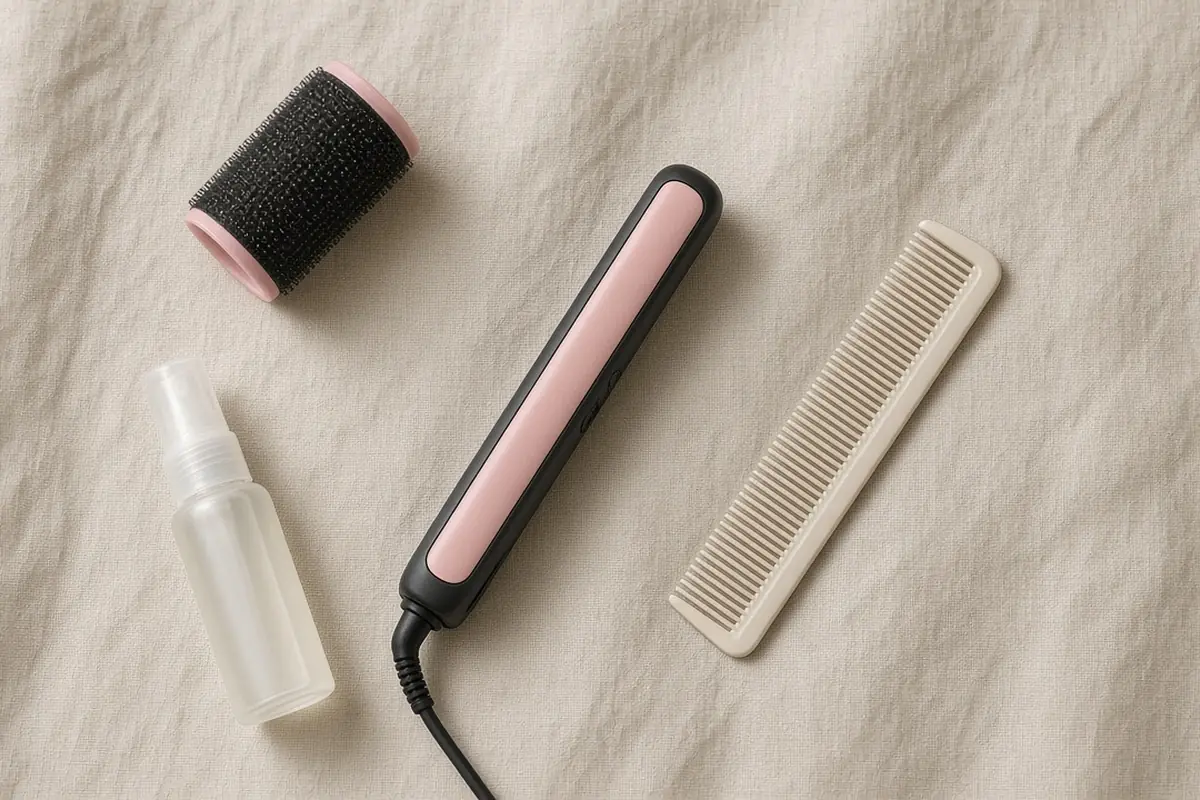
Bangs grow out in six to eight weeks and most Seoul salons will trim them free or for a small fee between cuts. Ask about it at the first visit if you are staying a while. Plan your visit or let our team check a stylist’s availability and quote first.
Questions people ask
What are see-through bangs?
Thin, airy Korean bangs cut so the forehead shows through. They suit most face shapes and grow out into curtain bangs.
What is the difference between Korean curtain bangs and Western curtain bangs?
Seoul stylists cut them longer and softer and blend them into face-framing layers so the front moves as one piece.
Should bangs be cut wet or dry?
Dry, or dried and recut. Wet bangs spring up as they dry, which is how bangs end up too short.
Related topics
Sources
- Creatrip, Best Seoul Hair Salons for Foreigners 2026
- 10 Magazine, English-speaking hair salons in Seoul (2026)
Prices and practices above come from the 2026 guides and booking listings linked here, checked on 2026-10-11. They are orientation, not a price list; our team gets a quote for your hair from the stylist.
Keep reading
- Jisoo · CHAHONG ARDOR · Atelier Dosan
- Seungil · SOONSIKI · Moment
- Korean Hair Color in Seoul: Ash Brown, Bleach on Dark Hair, Trends and What Colorists Do Differently
- Planning a Seoul salon visit — Choose a stylist, confirm the branch and prepare a useful consultation brief.
Choose your next question
- Planning a Seoul salon visit — Choose a stylist, confirm the branch and prepare a useful consultation brief.
- Finding English consultation support — Check individual public language claims and the questions to ask before a visit.
- Planning a Korean perm in Seoul — Compare published perm work and prepare questions about suitability, price and timing.
Written and maintained by the Korean Hairstyle editorial team at Kohwoon & Company. Editorial update: . Source profiles may change; check the linked original before relying on a branch, service or language claim. Sources, corrections and editorial policy.